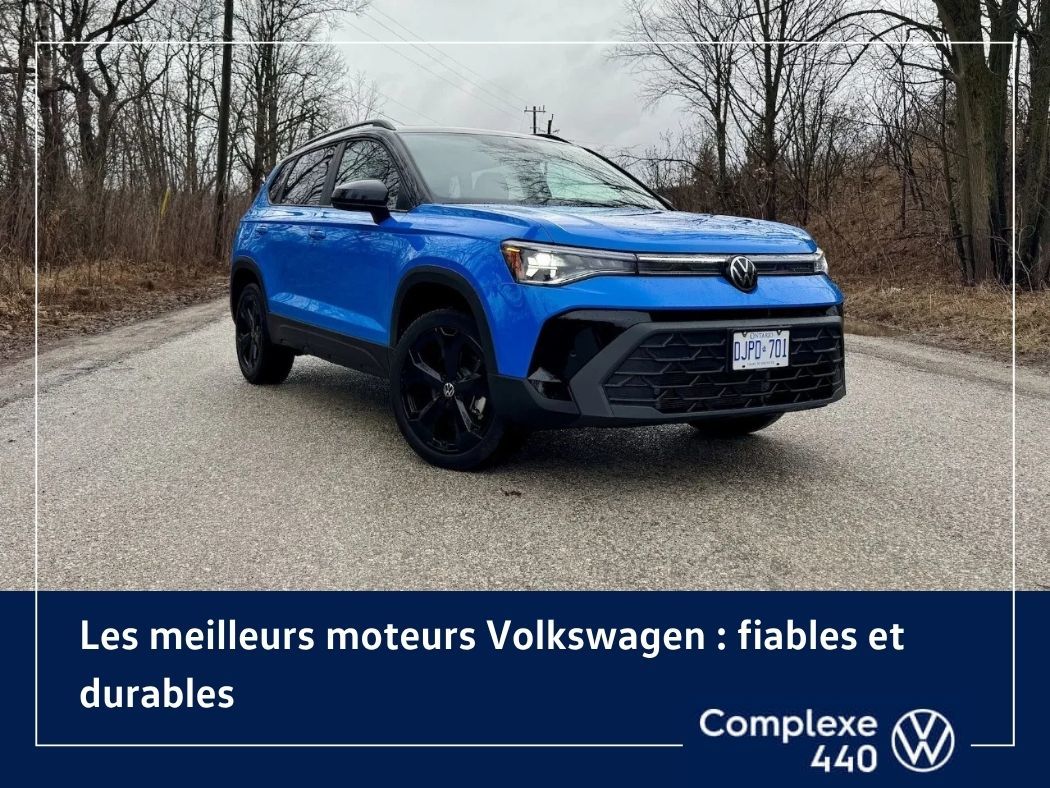
Best Volkswagen engines: reliable and durable
The reliability of Volkswagen engines is recognized worldwide. With your VW experts in Laval on the North Shore of Montreal, near Terrebonne and...
Read more
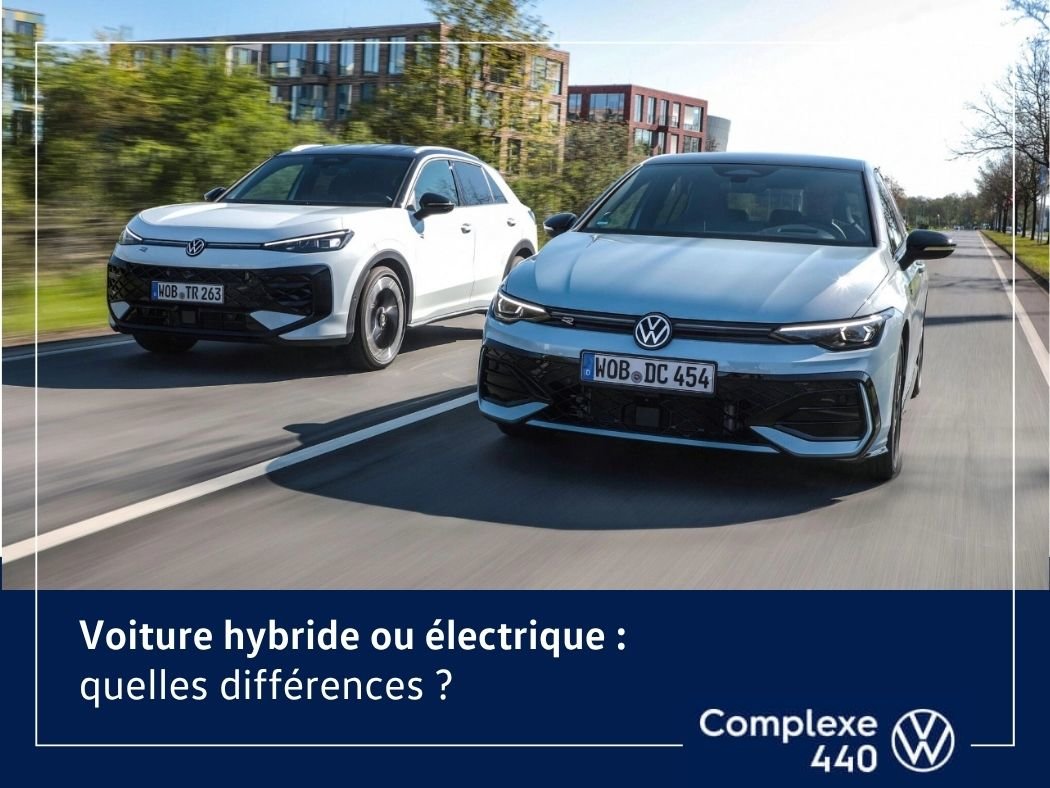
The choice between a hybrid car or an electric car, as well as between a plug-in hybrid vs. traditional hybrid, mainly depends on your needs.
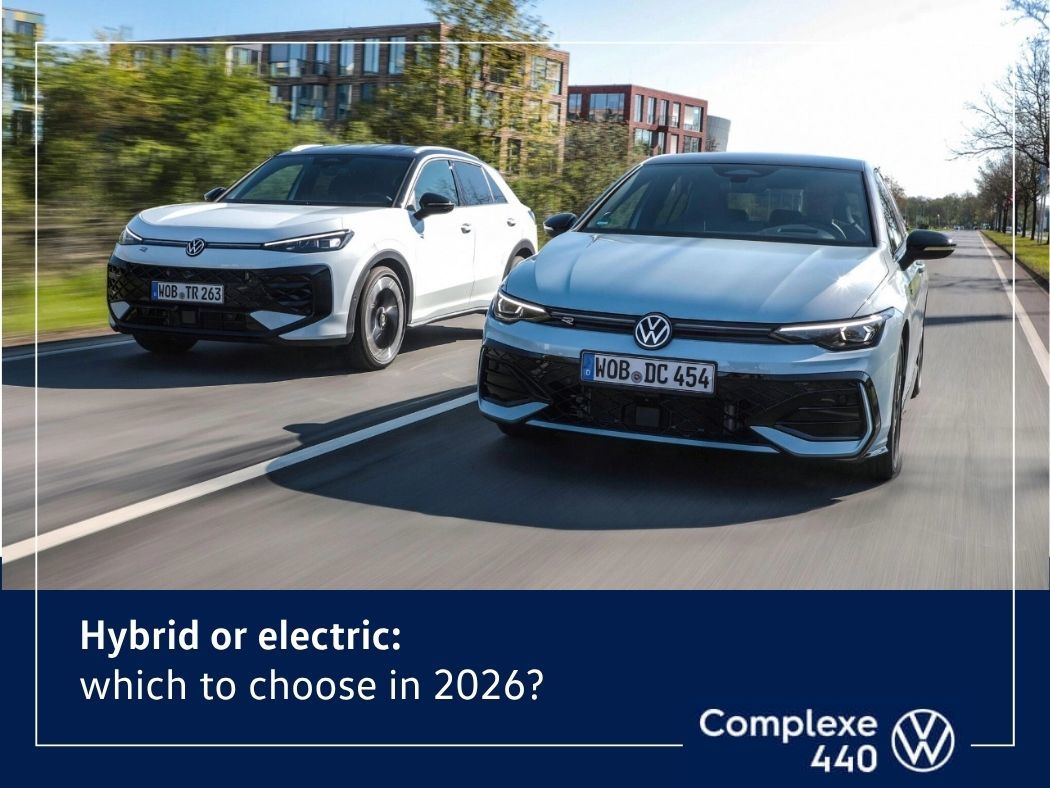
The choice between a hybrid car or an electric car, as well as between a plug-in hybrid vs. traditional hybrid, mainly depends on your needs.
The automotive industry is getting greener with the arrival of hybrid and electric vehicles. Automakers are presenting their hybridization and electrification plans and taking action accordingly.
Hesitating between a hybrid and an electric vehicle? Which one will best meet your expectations and needs? Here are tips from your Volkswagen dealer Complexe VW 440 in Laval, near Terrebonne, Montreal-North and the North Shore of Montreal, to help you see things clearly.
First, note that hybrid vehicles, whether plug-in or not, and electric vehicles, align with current environmental trends and the reduction of greenhouse gases (GHGs).
Hybrid vehicles combine a gasoline engine and at least one electric motor. They are increasingly efficient and can help you achieve substantial savings at the pump.
A hybrid car includes a combustion engine and an electric motor that work in tandem to optimize fuel consumption.
In a traditional hybrid car, the electric motor assists the combustion engine during start-up and acceleration to minimize fuel use. The electric motor never operates alone and does not directly drive the wheels.
In a plug-in hybrid, the electric motor plays a bigger role. It is more powerful and uses larger-capacity batteries.
As a result, it can directly drive the wheels and propel the vehicle on its own. This is why plug-in hybrid cars offer a 100% electric driving range.
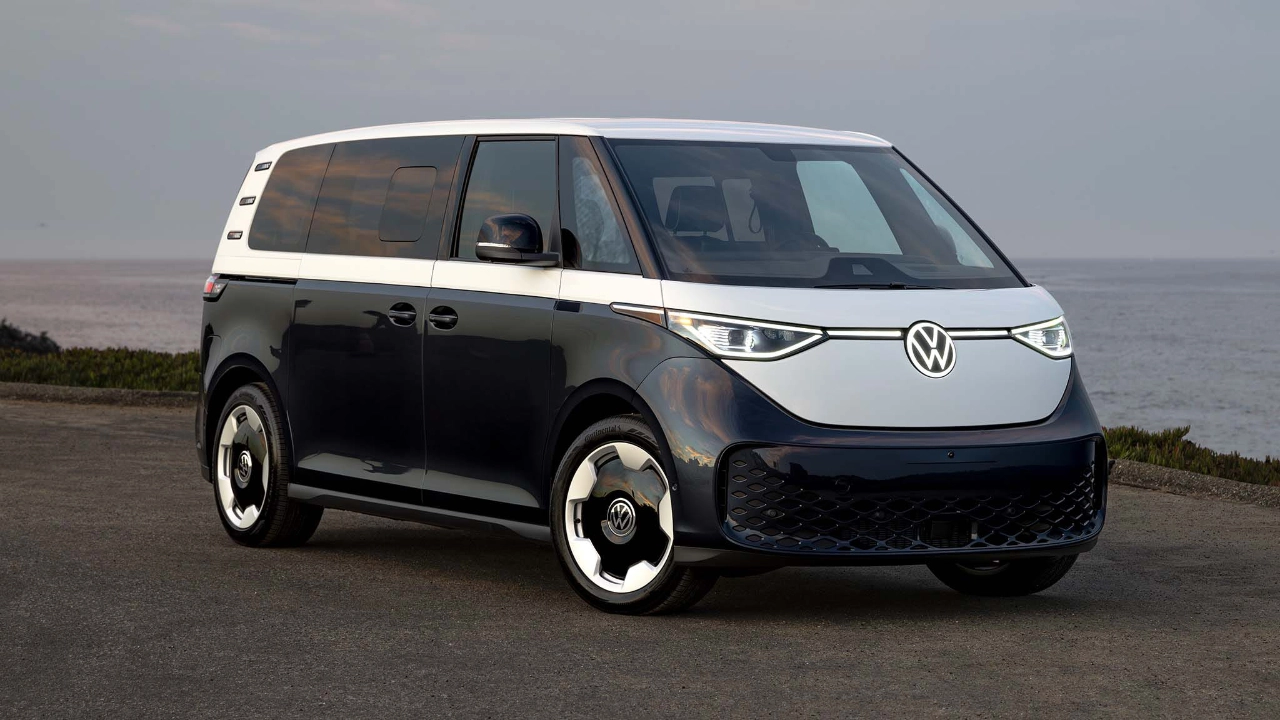
Electric cars are powered only by an electric powertrain. These vehicles feature the most capable electric motors, since they do not share space with a gasoline powertrain.
For this reason, electric cars have a much higher range than plug-in hybrid cars.
A plug-in hybrid vehicle, like the Toyota Prius, is increasingly capable and gives peace of mind with the combination of an electric motor and a gasoline engine. These two energy sources almost always operate in tandem and can save up to 30% in fuel compared with a vehicle that runs only on combustion. The battery recharges automatically while you drive, thanks to the gasoline engine that also acts as a generator.
Plug-in hybrid cars, such as the Toyota Prius Prime and certain BMW models, for example, do the work for you when you drive. With a larger-capacity battery, you can travel in fully electric mode, roughly between 30 and 70 km. The electric motor recharges along the way. You can, therefore, cover longer distances.
If you often drive in urban settings and occasionally travel longer distances, the plug-in hybrid vehicle is recommended, since you will not need to stop to recharge the battery. City drivers often choose this type of vehicle for their short-distance trips.
Finally, new plug-in hybrids remain eligible for government incentives.
In short, these vehicles, plug-in or not, are a sound choice and offer peace of mind at the wheel. These are cars that consume little fuel, help improve air quality and reduce greenhouse gases.
In conclusion, hybrid cars, plug-in or not, are increasingly sought after. Their increased longevity delivers excellent value for money.
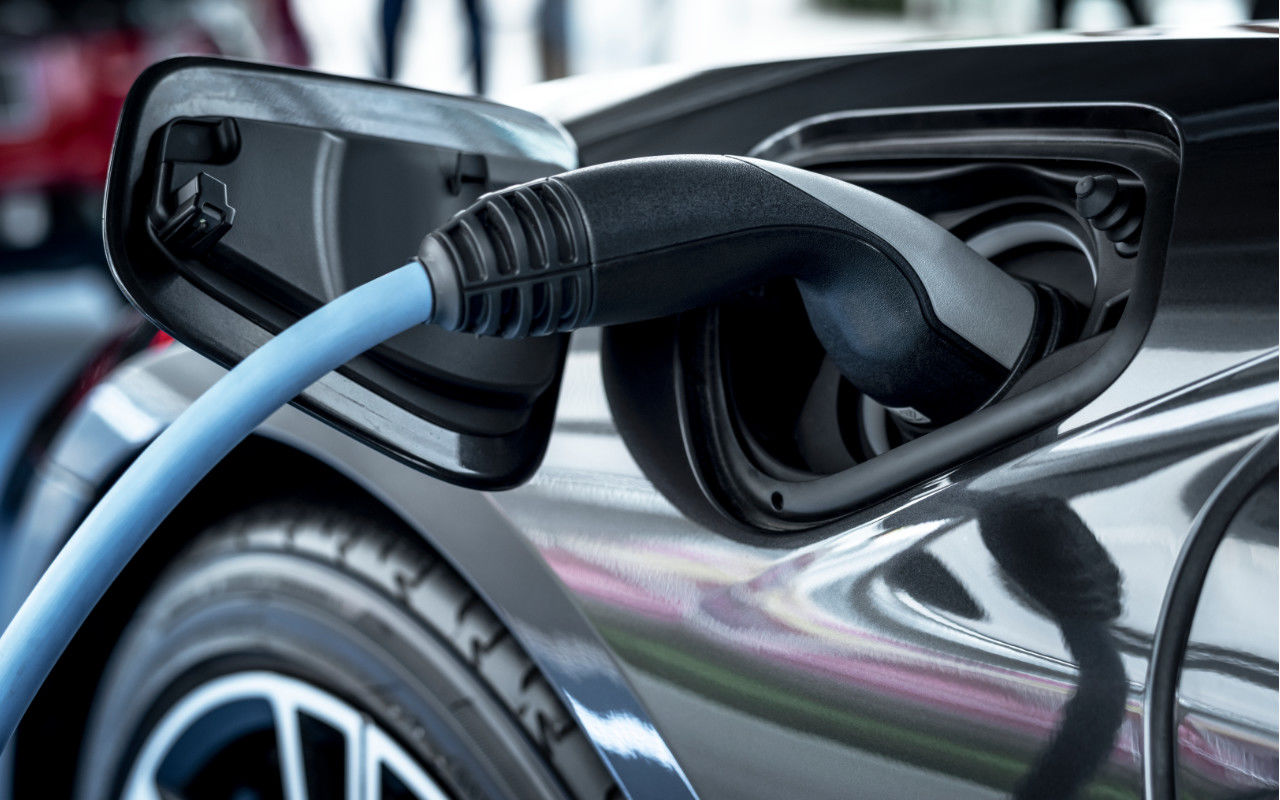
The primary goal of both electric and hydrogen cars is to reduce greenhouse gas (GHG) emissions.
An electric vehicle runs on an electric motor powered by one or more batteries. Since it burns no gasoline, it does not pollute, which makes it a clean electric car.
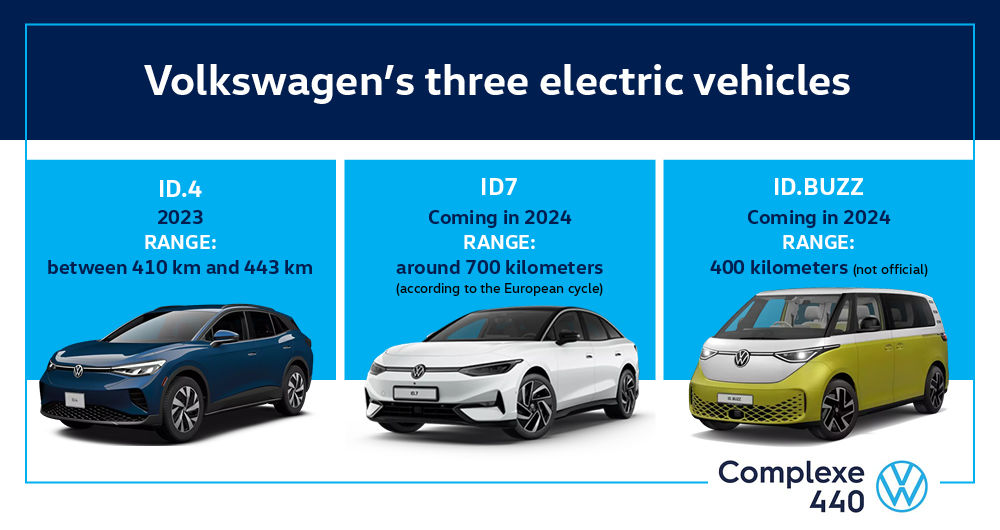
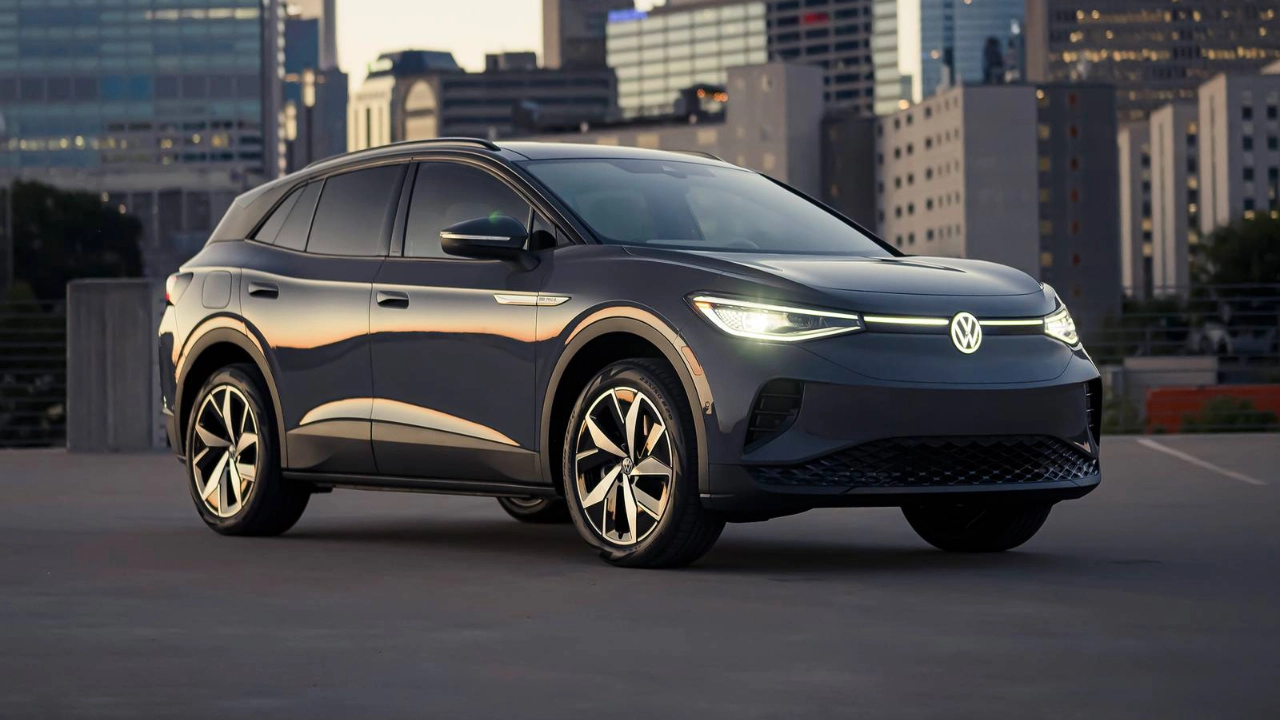
Today, more and more electric vehicles are on our roads. Think of the upcoming Volkswagen ID. Buzz van, the upcoming German sedan ID.7, or the ID.4 SUV, which ranks among the best electric SUVs in Quebec. All three are electric vehicles with excellent range.
A hydrogen car has characteristics comparable to an electric car, but what distinguishes it is the source of electricity. Inside such a vehicle, like the Toyota Mirai, a hydrogen fuel cell reacts with oxygen to produce electricity.
In an electric vehicle, a lithium-ion battery produces energy, while in a hydrogen vehicle it is the hydrogen fuel cell that powers the vehicle. The issue with hydrogen cars is that the tank has to be refilled at a specific service station.
Volkswagen Canada electric vehicles are increasingly popular and are becoming a new way of driving. Over the years, automakers have refined this technology and are producing vehicles with long range. You can now head out on long trips without having to stop at a charging station as often.
These articles may interest you:
For short and urban trips, it can be wise to opt for a plug-in hybrid or an electric car.
Although range is more limited, plug-in hybrids generally offer enough electric range for daily driving, such as errands and commuting.
In short, the plug-in hybrid lets you save on fuel and often comes with a lower purchase price than electric vehicles, which are often more expensive.
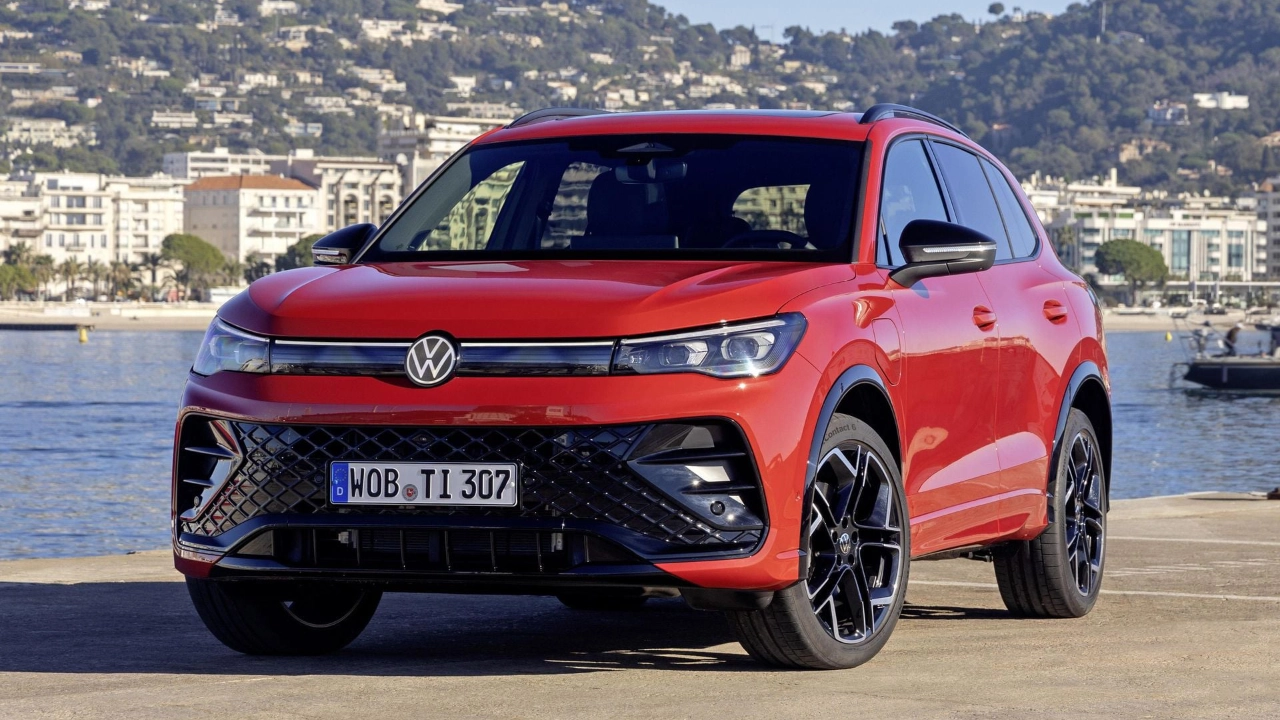
For those who frequently drive longer distances, the traditional hybrid is often the best compromise between consumption and efficiency.
Although the range and charging time of electric vehicles are improving, they do not always match the convenience of covering long distances with a gasoline car, given that fuelling up only takes a few minutes.
A hybrid car helps you save on long journeys and avoids longer stops to recharge your vehicle.
If you end each day at home and can install a charging station at your residence, an electric car is an excellent choice.
A Level 2 charging station, the type typically installed at home, is sufficient to fully recharge an electric vehicle while you sleep, so you start every morning with a full battery.
The range and the charging time of an electric car or a plug-in hybrid are linked.
An electric car has a significantly higher range because it uses a much larger battery.
At the same charging power, a higher-capacity battery generally takes longer to charge.
A plug-in hybrid recharges quicker but offers much lower range than an electric car.
As for operating costs, electricity usually costs less than gasoline for the same distance. However, costs can vary widely depending on the energy efficiency of each vehicle.
Some gasoline vehicles consume very little fuel, and some electric vehicles discharge more quickly than others.
It is now rare to find a hybrid or electric vehicle without regenerative braking, since this system is fundamental to electric powertrains.
This technology recovers braking energy to increase electric range or reduce fuel consumption on hybrid models.
Thanks to a smart battery management system, most electric vehicles or plug-in hybrids can manage temperature and charge to maximize range.
Some vehicles offer better thermal management, which is especially beneficial for Quebec drivers who face winter temperatures that are challenging for batteries and electric powertrains.
Modern electric cars are often compatible with mobile apps or include charging planning integrated with navigation systems.
With these systems, you can plan in advance where it is best to stop to recharge your vehicle.
If you are considering an electric car and often plan to use it for longer trips, this type of system will make your life much easier.
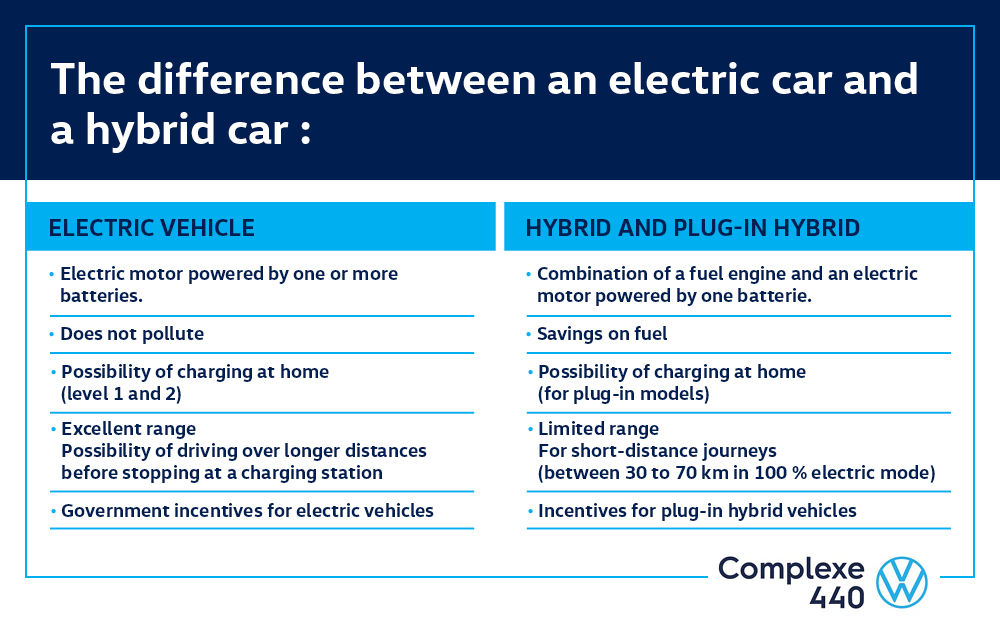
| Difference | Pros | Cons |
|---|---|---|
| Hybrid | Precursor of hybridization Fuel savings up to 30% |
Small battery No charging port No ability to travel more than a few hundred metres in 100% electric mode |
| Plug-in hybrid | Larger battery Charging port Ability to plug the vehicle in at home Ability to travel about 30 to 70 km in 100% electric mode Plug-in hybrid vehicle incentive |
Limited range Not ideal if you must drive long highway distances daily |
Based on this table, let us go a little further and now compare the hybrid vehicle and the electric vehicle to complete the picture.
In the end, it is possible to conclude that electric vehicles give you more for your money. More and more cars are going green, and automakers are developing vehicles with increased range, power and with a towing capacity of Volkswagen SUVs that is even more extensive.
Come discover all-electric vehicle models at your Complexe VW 440 dealer in Laval, near Terrebonne, Montreal-North and the North Shore of Montreal. Take advantage of our Volkswagen special offers in Laval and our attractive Volkswagen financing solutions. We are waiting for you.
| Type of vehicle | Hybrid | Plug-in hybrid | Electric |
|---|---|---|---|
| Increased range in electric mode | - | - | √ |
| Eligibility for government incentives | - | √ | √ |
| Charging port on the vehicle | - | √ | √ |
| Battery | √ | √√ | √√√ |
| Fuel savings | √ | √ | √√ |
| Charging station | - | √ | √ |
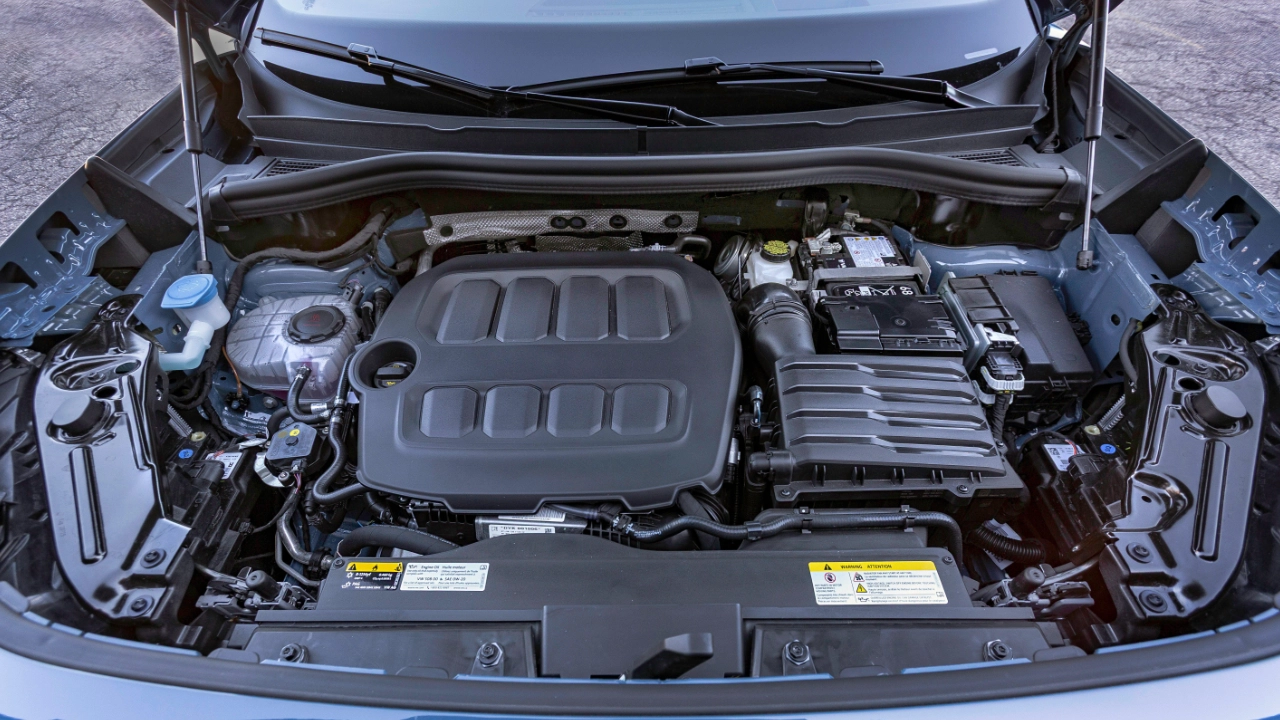
Best Volkswagen engines: reliable and durable
The reliability of Volkswagen engines is recognized worldwide. With your VW experts in Laval on the North Shore of Montreal, near Terrebonne and...
Read more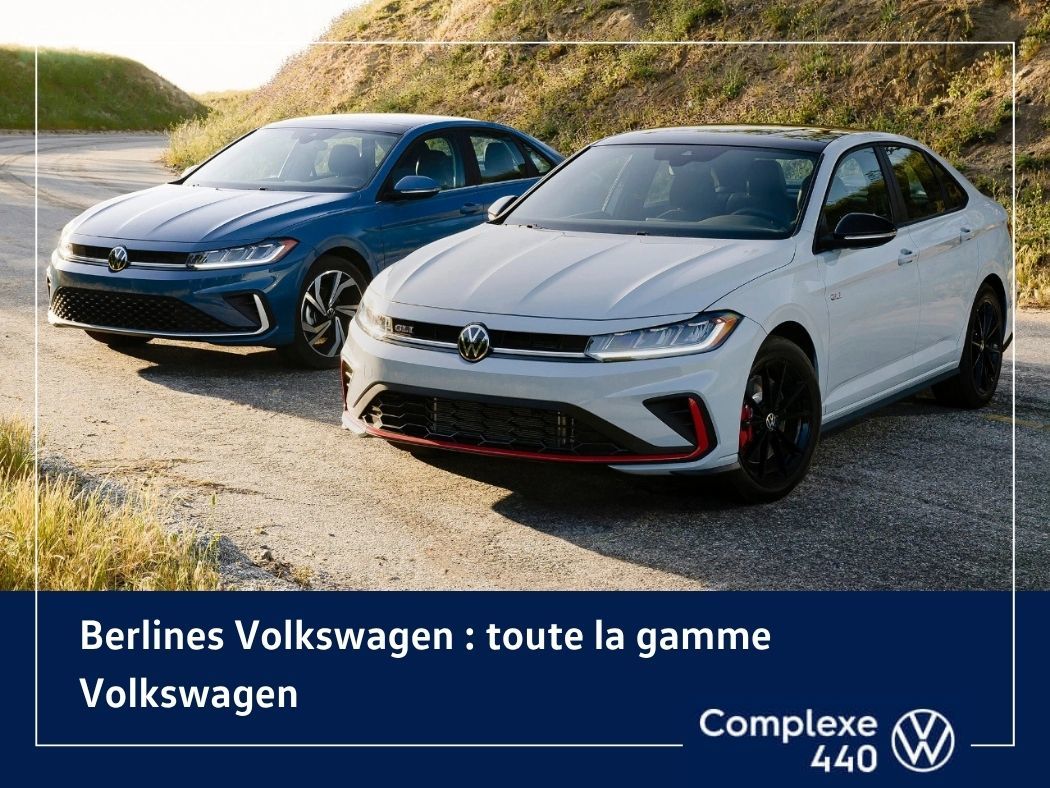
Volkswagen sedans: the full Volkswagen lineup
If you are looking for a Volkswagen sedan in Laval, count on the expertise of Complexe VW 440 on the North Shore of Montreal, near Terrebonne and...
Read more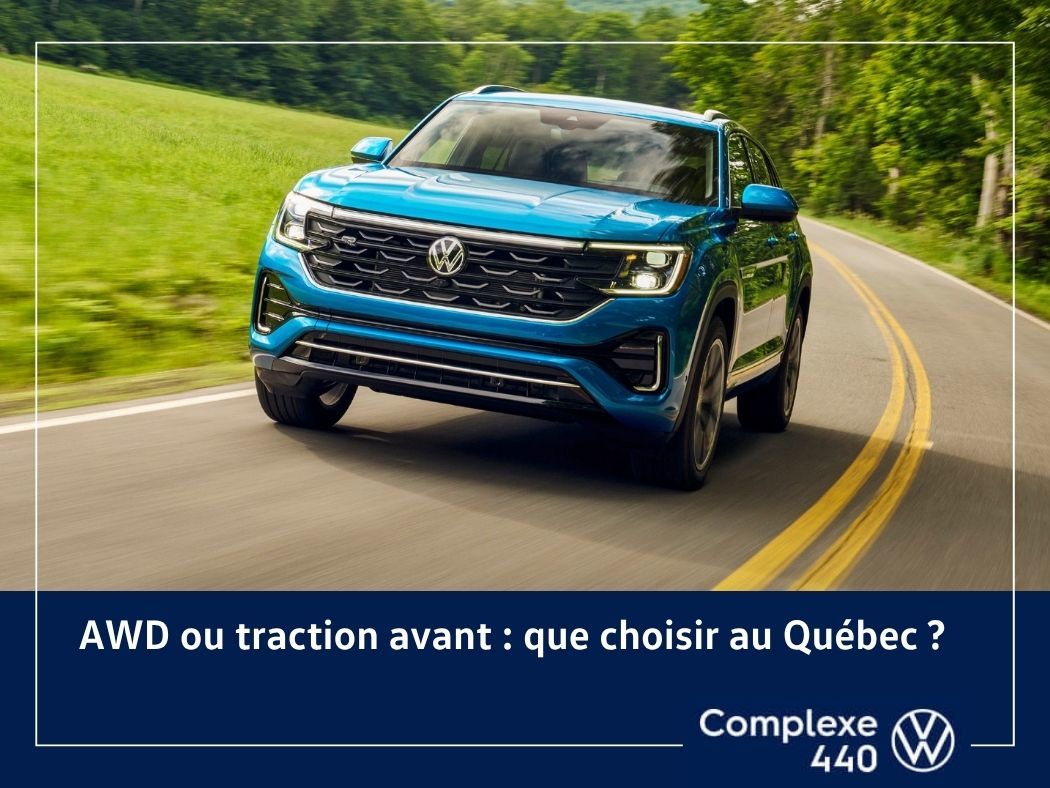
AWD or front-wheel drive: which to choose in Quebec?
Hesitating between all-wheel drive versus front-wheel drive? Complexe VW 440 in Laval on the North Shore of Montreal, near Terrebonne and...
Read morePowered and developed by
