Best Volkswagen engines: reliable and durable
The reliability of Volkswagen engines is recognized worldwide. With your VW experts in Laval on the North Shore of Montreal, near Terrebonne and...
Read more
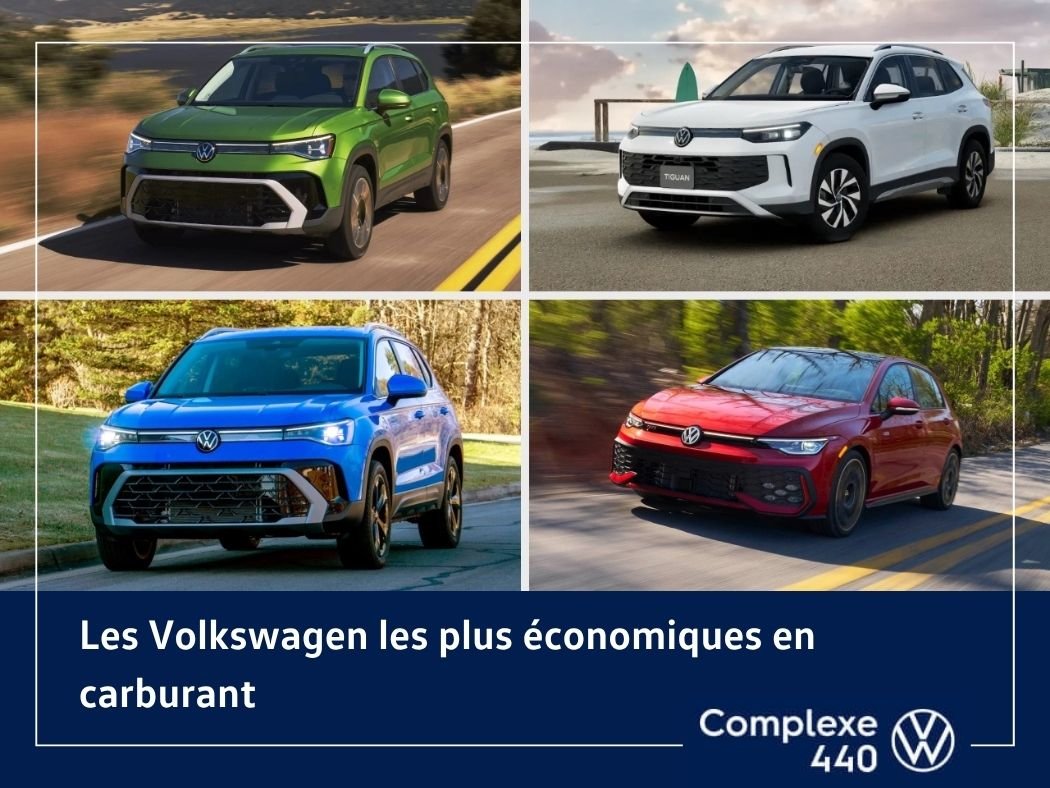
The most fuel-efficient Volkswagen is the 2026 Volkswagen Jetta sedan, with only 7.2 L/100 km combined.
Other very economical Volkswagen models include the Taos and Tiguan SUVs, along with the Golf GTI hatchback.
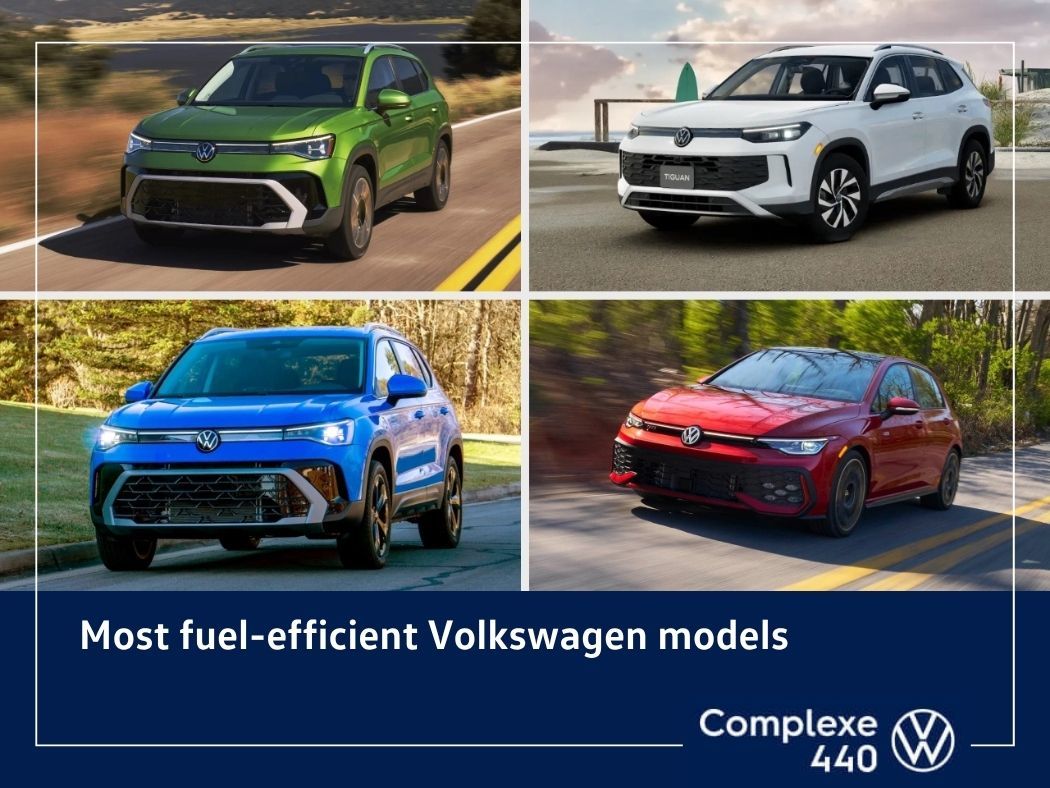
The most fuel-efficient Volkswagen is the 2026 Volkswagen Jetta sedan, with only 7.2 L/100 km combined.
Other very economical Volkswagen models include the Taos and Tiguan SUVs, along with the Golf GTI hatchback.
The most fuel-efficient Volkswagen at volkswagen canada is unquestionably the Jetta sedan. It is also worth noting that Volkswagen fuel consumption is known to be relatively low across the entire lineup.
Here are four gasoline Volkswagen models that deliver low fuel consumption in their respective categories.
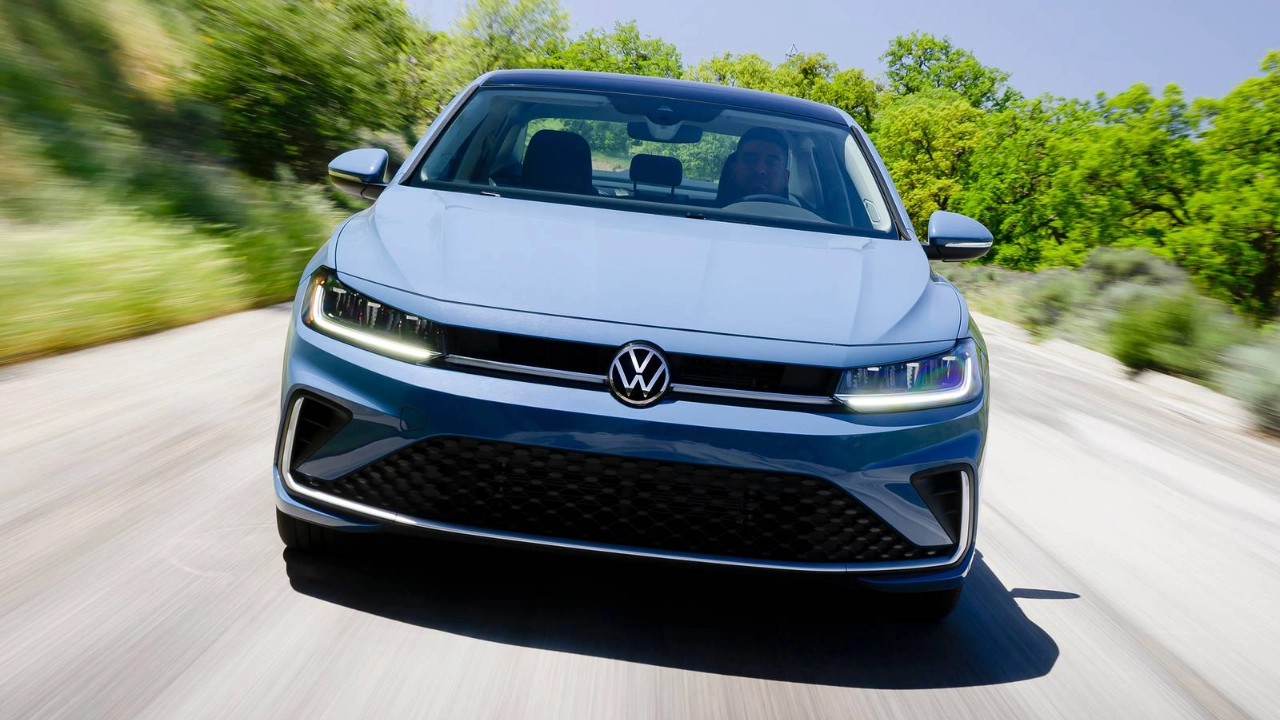
The Volkswagen Jetta posts a combined fuel consumption as low as 7.2 L/100 km. This figure combines a city rating of 8.2 L/100 km and a highway rating of 5.9 L/100 km.
A compact sedan that stands out with a refined, modern cabin, the Jetta is an excellent choice for daily urban commuting. It is nimble and pleasant to drive and, above all, economical.
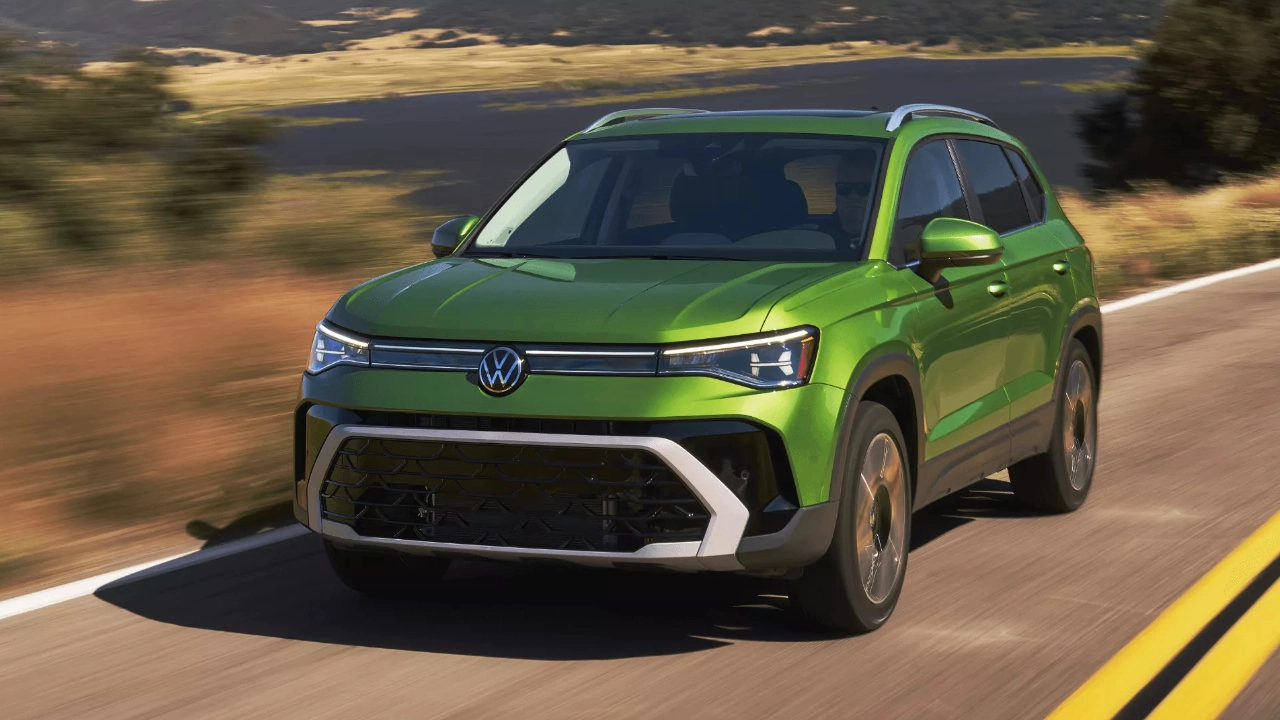
If you need a bit more space than the Jetta can offer, the Taos is the brand's entry-level SUV.
The Volkswagen Taos consumes as little as 7.4 L/100 km combined on front-wheel-drive models. Even if you choose all-wheel drive, consumption increases to 8.4 L/100 km combined, which remains frugal for an SUV with this drivetrain.
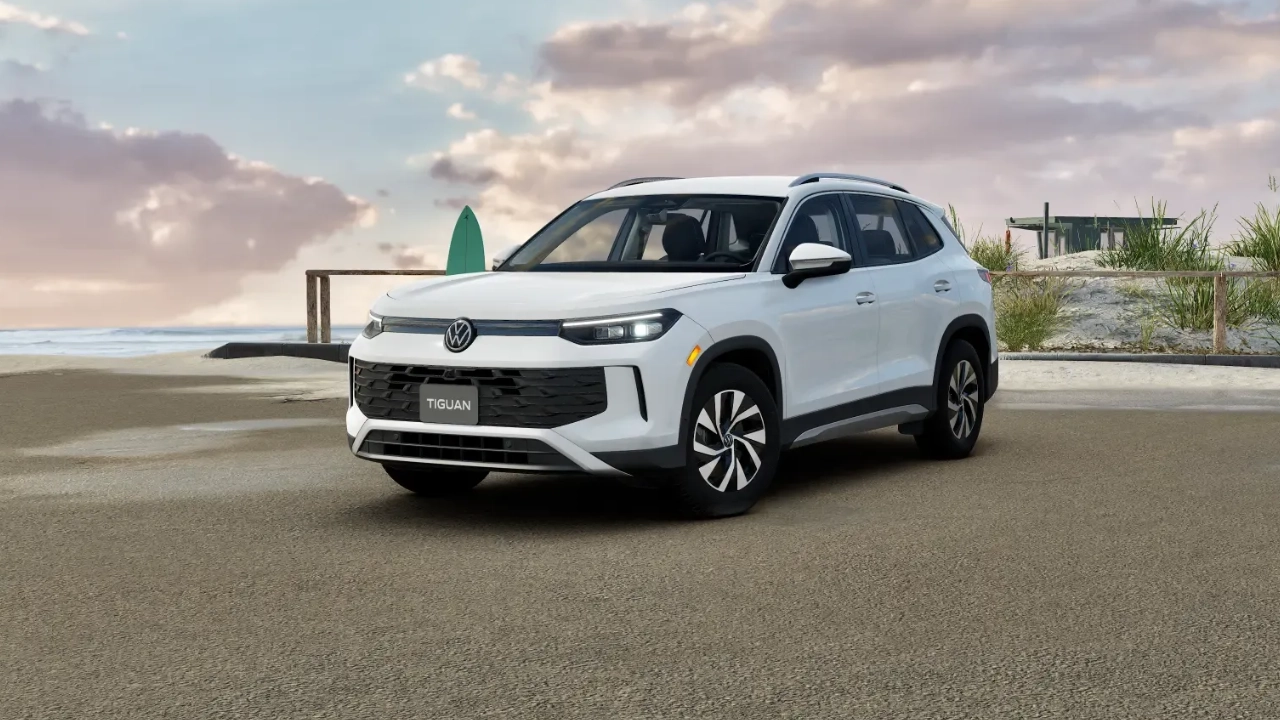
A more spacious and robust SUV, the Tiguan is a better option if you are looking to meet the needs of a small family or simply want a more premium SUV than the Taos.
The 2026 Volkswagen Tiguan's combined fuel consumption is 9.2 L/100 km and it comes with 4MOTION all-wheel drive.
The Turbo R-Line trim offers a more powerful version of this engine. Ratings are 9.5 L/100 km combined.
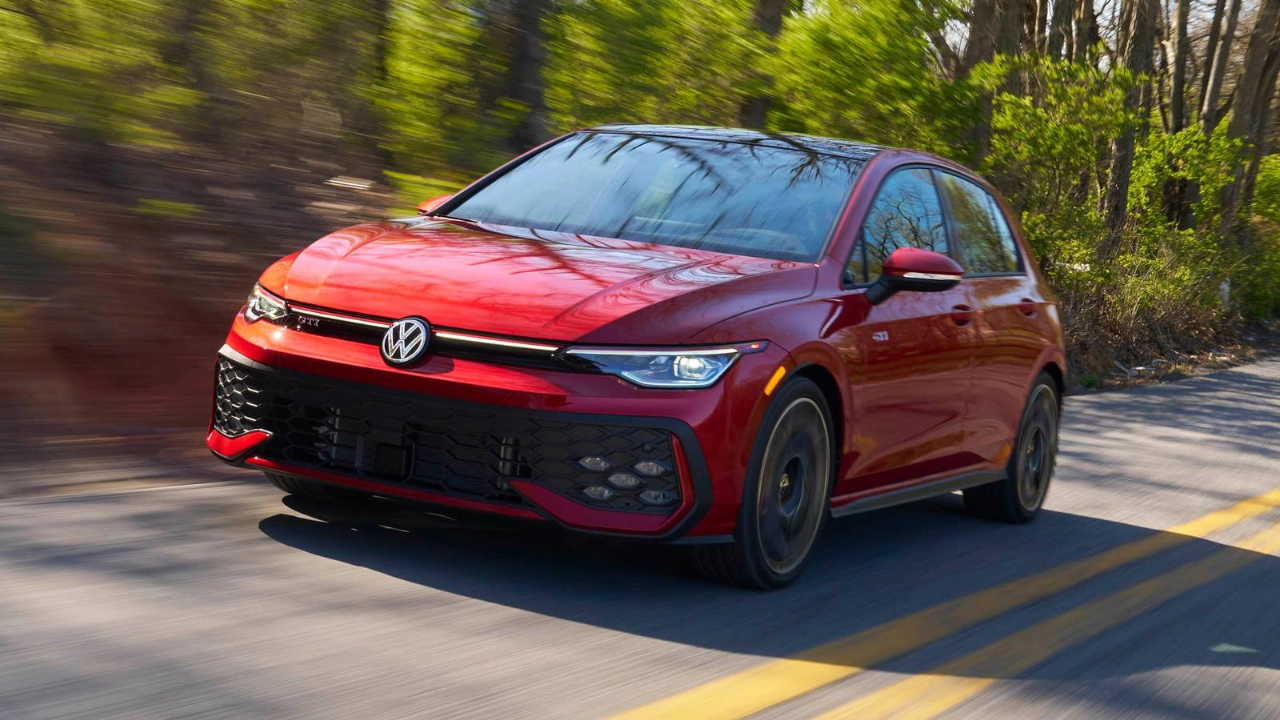
A hatchback designed to deliver athletic performance, the Golf GTI is ideal for driving enthusiasts.
Even with an engine that produces an impressive 241 horsepower, the 2026 Volkswagen Golf GTI consumes only 8.8 L/100 km combined, which positions it very well among the sporty vehicles currently on the market.
Several factors influence Volkswagen fuel consumption. Here are the main criteria to consider.
There are several nuances when it comes to an engine's consumption. Generally, an engine with a larger displacement will use more gasoline.
The more cylinders an engine has and the larger they are, the more fuel the engine requires to complete a full combustion cycle.
Volkswagen vehicles are efficient because they are usually equipped with smaller engines, such as the 4‑cylinder units found on most models this year.
A heavier vehicle needs more power to move forward. This is why SUVs are usually thirstiers than sedans, even when they feature comparable powertrains.
Finally, you should take the drivetrain and driving style into account.
All-wheel drive powers all four wheels, which is more demanding than driving only two wheels.
In Volkswagen vehicles, 4MOTION all-wheel drive can send power to two or four wheels as needed.
As for driving style, smooth inputs with moderate acceleration are generally more economical. That is why highway ratings are lower for gasoline vehicles.
Each type of powertrain offers certain advantages in terms of consumption and purchase price.
A gasoline powertrain usually offers the best purchase price. It is also known for maintaining its range even in winter, something that is often criticized in electric powertrains in Quebec.
A plug-in hybrid powertrain provides an all-electric driving range while preserving the ability to take longer trips without stopping to recharge the battery.
Finally, an electric powertrain eliminates gasoline consumption completely, but the vehicle is more expensive to buy. In return, these are energy‑efficient vehicles.
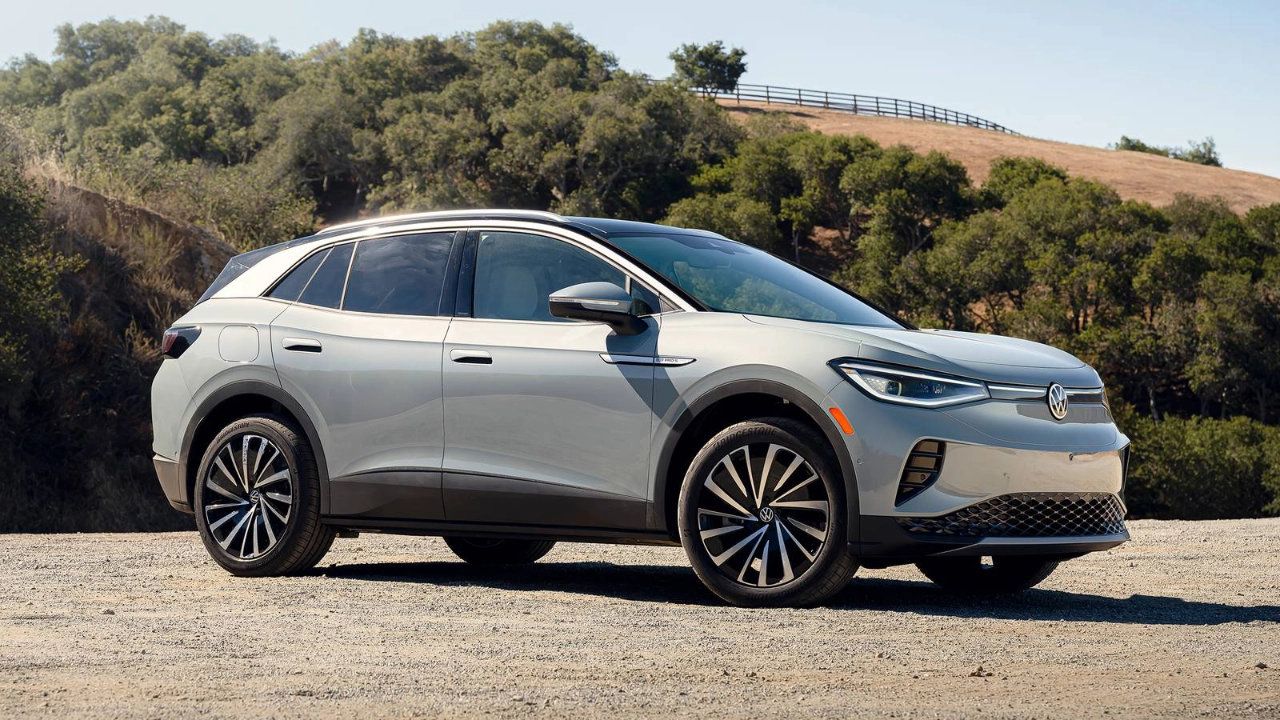
An electric Volkswagen, such as the VW ID.4, is an excellent vehicle if you are an urban driver or for weekend getaways.
For those who travel a lot, a fuel‑efficient Volkswagen car may be an option to consider.
According to recent announcements, Volkswagen plug‑in hybrid vehicles should be available over the next two years.
To sum up, here is a comparison of Volkswagen fuel consumption:
| 2026 VW model | Powertrain | Output (HP) / torque (lb-ft) | Combined consumption | Ideal use |
|---|---|---|---|---|
| Jetta | 1.5 L turbo 4‑cyl. | 158 / 184 | 7.2 L/100 km | Urban driving and great manoeuvrability |
| Taos | 1.5 L turbo 4‑cyl. | 174 / 184 | 7.4 L/100 km (FWD) 8.4 L/100 km (AWD) |
Urban driving and versatility |
| Tiguan | 2.0 L turbo 4‑cyl. | 201 / 221 268 / 258 (Turbo R‑Line) |
9.2 L/100 km 9.5 L/100 km (Turbo R‑Line) |
Small family, city driving and long trips |
| Golf GTI | 2.0 L turbo 4‑cyl. | 241 / 273 | 8.8 L/100 km | Sporty and dynamic driving |
To learn more about the most economical Volkswagen models, feel free to come have a chat with Complexe VW 440 experts, your Volkswagen dealer in Laval, on the North Shore of Montreal and near Montreal-North and Terrebonne.
You can also check out our volkswagen financing solutions as well as our volkswagen special offers in laval. We look forward to seeing you!
Best Volkswagen engines: reliable and durable
The reliability of Volkswagen engines is recognized worldwide. With your VW experts in Laval on the North Shore of Montreal, near Terrebonne and...
Read more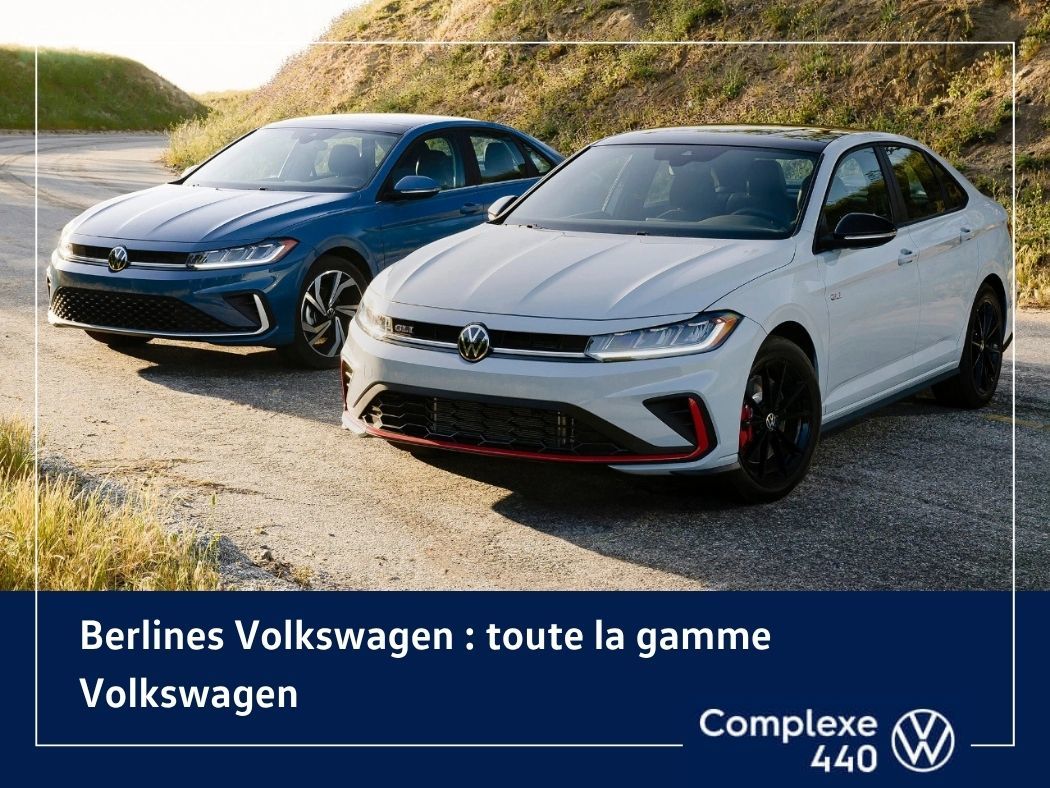
Volkswagen sedans: the full Volkswagen lineup
If you are looking for a Volkswagen sedan in Laval, count on the expertise of Complexe VW 440 on the North Shore of Montreal, near Terrebonne and...
Read more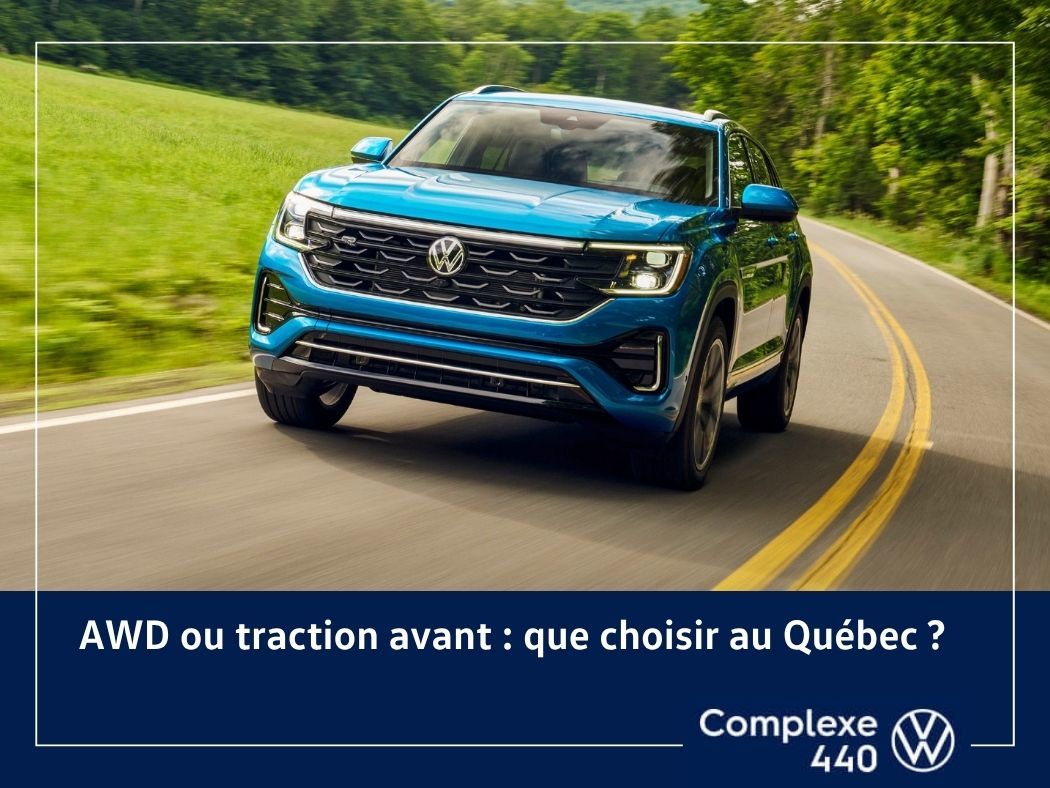
AWD or front-wheel drive: which to choose in Quebec?
Hesitating between all-wheel drive versus front-wheel drive? Complexe VW 440 in Laval on the North Shore of Montreal, near Terrebonne and...
Read morePowered and developed by
